Navigating the AI Era: Transforming Computer Science Education with Generative Technology
The digital landscape is changing faster than a student can code an algorithm, and at the forefront of this revolution is Generative AI—the technology that makes it possible for machines to create content, such as text, images, and yes, even lines of computer code! AI tools like ChatGPT and Claude are becoming co-pilots for students learning to code, but as they integrate these power-packed tools into their studies, we must ask some important questions: How accurate is AI-generated content? Can students still show their unique understanding and skills? And how can educators assess learning in a world where AI often does the heavy lifting?
In this blog post, we dive into the insights from recent research that discuss the challenges and opportunities in using Generative AI in computer science education. This journey isn’t just about understanding the technology, but also about navigating the murky waters of accuracy, authenticity, and assessment that come with it. Buckle in as we explore how educators and students can flourish in this brave new classroom!
The Rise of Generative AI in the Classroom
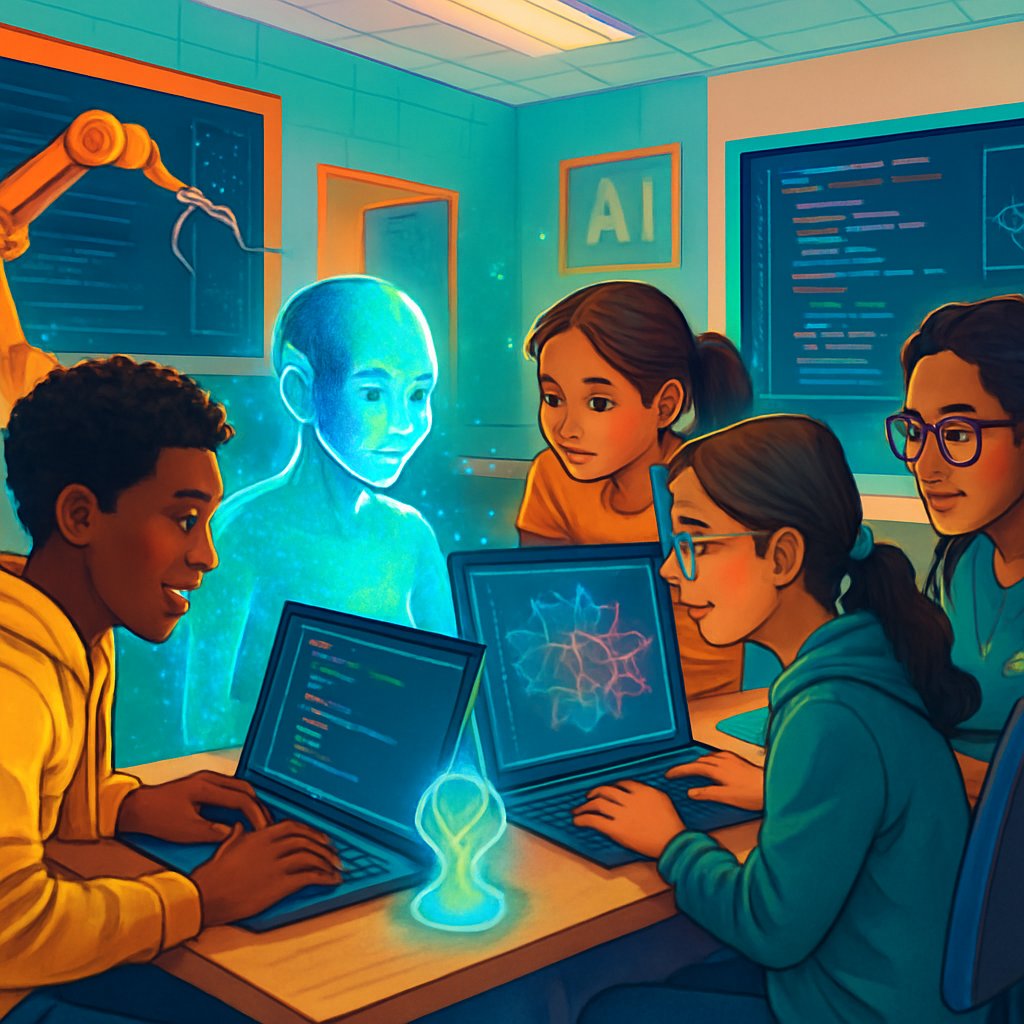
Imagine a classroom where each student can work alongside a highly knowledgeable AI assistant. Sounds like sci-fi, right? But this is happening now! Generative AI tools allow students to code smarter—not just by automating routine tasks but by providing real-time feedback and innovative suggestions when they're stuck.
However, as with all technological breakthroughs, this comes with its set of challenges. While tools like ChatGPT and Claude can enhance creativity and efficiency, they aren't perfect and can also mislead with inaccuracies—think of it like students seeking help online; sometimes they might end up on a forum with outdated or incorrect information!
The Good, The Bad, and The Mistakes
1. Accuracy Matters
Let’s talk about accuracy. One of the biggest concerns with AI in education is that the content it produces isn’t always accurate. Researchers noted instances of AI hallucinations, which occur when an AI generates content that sounds correct but isn’t. For novice coders, this can be particularly tricky—they might not have enough knowledge to distinguish between a helpful AI suggestion and a potentially damaging falsehood. This raises the question: How do we ensure that students are learning correctly while still benefitting from AI’s guidance?
2. Authenticity is Key
Next up is authenticity. With the intertwining of AI outputs and student work, educators face a dilemma: how can they be sure that what a student submits reflects their own learning and skill? Imagine if a student passed off AI-generated code as their own creation. Educators need frameworks to differentiate between collaborative work with AI and genuine understanding.
It's vital for students to engage with AI in a way that enhances their learning rather than replaces it. Promoting clarity in task guidelines is essential, ensuring that students know the limits of AI assistance and the importance of original thought.
3. The Assessment Challenge
Lastly, let’s dig into the assessment side of things. Traditional grading methods are used to determine whether students grasp fundamental concepts, yet these methods may not be suited for evaluating AI-assisted work. As AI tools provide instant feedback and could essentially rewrite an entire assignment, how do we gauge if a student genuinely understands the material?
Researchers suggest moving toward a hybrid assessment model. This model would combine human evaluation with AI tools—using AI for initial assessments while educators provide the nuanced judgment necessary for creative assignments and problem-solving skills.
Making the Most of AI in Education
While Generative AI presents a set of challenges, it also opens up avenues for exciting educational advancements. Here are some practical implications and suggestions for educators and students navigating this new frontier:
Encourage AI Literacy
Educators need to promote AI literacy—that is, the understanding of how these tools work and their potential limitations. This education empowers students to utilize AI effectively, maintaining a clear interpretation of the output and enriching their problem-solving abilities.
Redefine Assessments
Move beyond standard examination methods and consider project-based assessments that encourage creativity and independent thought while utilizing AI support. This evolution of assessment criteria ensures that students can showcase their understanding, utilizing technology as a robust partner rather than a crutch.
Emphasize Engagement
Assignments should not rely solely on tasks easily accomplished by AI. Instead, create challenges that require critical thinking and deep engagement, ensuring students develop skills beyond basic coding.
Hybrid Feedback Systems
Implement feedback systems where AI assists in grading while educators confirm its accuracy and adjust for context. This dual approach not only fosters efficiency but empowers students with valuable feedback from their teachers.
Key Takeaways
- Generative AI tools like ChatGPT can enhance the learning experience in computer science education but come with challenges regarding accuracy, authenticity, and assessment.
- Accuracy is a primary concern due to potential AI hallucinations and error propagation, making it essential for students to critically evaluate AI-generated content.
- Maintaining authenticity in student work is crucial; guidelines must be established to prevent reliance on AI and to ensure individual understanding.
- Assessment frameworks need to shift towards hybrid models combining AI efficiency with human insight to evaluate student understanding genuinely.
- Promoting AI literacy in the classroom helps students use these tools responsibly while fostering a deeper engagement with the subject matter.
As we look to the future, the balance between harnessing the creative power of AI and ensuring the integrity of student learning will determine how effective these tools are in computer science education. The journey ahead may be complex, but the potential rewards of a well-integrated AI experience can lay the foundation for the next generation of tech-savvy innovators.
So, what are your thoughts on the integration of AI into education? Have you tried out any AI tools in your studies? Let us know how you're harnessing this technology for your learning!
